Bunions: Causes, Symptoms, and Non-Surgical Treatment Options
- posted: Apr. 09, 2025
Bunions are one of the most common foot problems that affect people of all ages, often causing pain and discomfort. These bony bumps that form at the base of the big toe can significantly change how you walk and make it difficult to find comfortable shoes. While surgery is an option for severe cases, many people with bunions can manage their condition with non-surgical treatments that alleviate pain and prevent the condition from worsening. Dr. Angelo Pace at Advanced Pace Foot and Ankle Center in Alexandria, VA, can explain how to live with bunions and manage pain.
Understanding How to Deal With Bunions
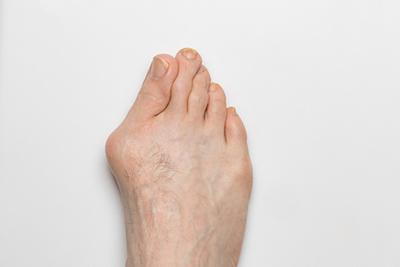
A bunion is a bony bump that forms on the joint at the base of the big toe. This bump develops when the bone or tissue at the joint moves out of place, causing the big toe to angle toward the second toe. Over time, the misalignment can cause the joint to stick out, leading to a noticeable bump on the side of the foot. Bunions can be painful, especially when pressure is applied to the affected area, such as when wearing shoes. In some cases, bunions can cause the skin over the bump to become red, swollen, and irritated.
Genetic factors and external influences, such as ill-fitting footwear often cause bunions. While some people may develop bunions due to inherited foot structure, others may develop them due to lifestyle factors or conditions that affect foot alignment. Foot injuries and poor foot mechanics can also cause bunions.
Bunions often develop gradually, and the symptoms can vary in severity. Common signs and symptoms of bunions include:
- A bony bump on the side of the big toe
- Pain or discomfort
- Swelling and redness
- Limited movement of the big toe
- Corns or calluses
- Changes in foot shape
While surgery is an option for severe or painful bunions that do not respond to conservative treatments, many people can find relief from symptoms through non-surgical methods. Your podiatrist in Alexandria, VA, can recommend several options for managing pain from bunions. It’s important to wear shoes that fit properly and have good support.
You can also use pads and cushions to relieve pressure and protect from irritation. Applying ice to the bunion can help reduce swelling and alleviate pain. Physical therapy can be an effective treatment option for people with bunions. Specific foot exercises, such as toe stretches, strengthening, and massage, can help improve flexibility and reduce pain in the affected joint.
Contact Our Podiatrist Today
Make sure you understand how to live with bunions. Contact Dr. Angelo Pace at Advanced Pace Foot and Ankle Center in Alexandria, VA, to learn more about bunions and how to deal with them. Call for more information and to schedule your appointment today at (703) 971-7100.
- posted: Apr. 09, 2025
Bunions are one of the most common foot problems that affect people of all ages, often causing pain and discomfort. These bony bumps that form at the base of the big toe can significantly change how you walk and make it difficult to find comfortable shoes. While surgery is an option for severe cases, many people with bunions can manage their condition with non-surgical treatments that alleviate pain and prevent the condition from worsening. Dr. Angelo Pace at Advanced Pace Foot and Ankle Center in Alexandria, VA, can explain how to live with bunions and manage pain.
Understanding How to Deal With Bunions
A bunion is a bony bump that forms on the joint at the base of the big toe. This bump develops when the bone or tissue at the joint moves out of place, causing the big toe to angle toward the second toe. Over time, the misalignment can cause the joint to stick out, leading to a noticeable bump on the side of the foot. Bunions can be painful, especially when pressure is applied to the affected area, such as when wearing shoes. In some cases, bunions can cause the skin over the bump to become red, swollen, and irritated.
Genetic factors and external influences, such as ill-fitting footwear often cause bunions. While some people may develop bunions due to inherited foot structure, others may develop them due to lifestyle factors or conditions that affect foot alignment. Foot injuries and poor foot mechanics can also cause bunions.
Bunions often develop gradually, and the symptoms can vary in severity. Common signs and symptoms of bunions include:
- A bony bump on the side of the big toe
- Pain or discomfort
- Swelling and redness
- Limited movement of the big toe
- Corns or calluses
- Changes in foot shape
While surgery is an option for severe or painful bunions that do not respond to conservative treatments, many people can find relief from symptoms through non-surgical methods. Your podiatrist in Alexandria, VA, can recommend several options for managing pain from bunions. It’s important to wear shoes that fit properly and have good support.
You can also use pads and cushions to relieve pressure and protect from irritation. Applying ice to the bunion can help reduce swelling and alleviate pain. Physical therapy can be an effective treatment option for people with bunions. Specific foot exercises, such as toe stretches, strengthening, and massage, can help improve flexibility and reduce pain in the affected joint.
Contact Our Podiatrist Today
Make sure you understand how to live with bunions. Contact Dr. Angelo Pace at Advanced Pace Foot and Ankle Center in Alexandria, VA, to learn more about bunions and how to deal with them. Call for more information and to schedule your appointment today at (703) 971-7100.
Office Hours
(We are closed Monday - Thursday from 11:30 a.m. to 1:30 p.m.)
Walker Office
Monday
8:30 am - 11:30 am
Tuesday
1:30 pm - 4:30 pm
Wednesday
8:30 am - 11:30 am
Thursday
1:30 pm - 4:30 pm
Friday
By Appointment Only
Saturday
Closed
Sunday
Closed
Sherwood Hall Office
Monday
1:30 PM - 4:30 PM
Tuesday
8:30 AM - 11:30 AM
Wednesday
1:30 PM - 4:30 PM
Thursday
8:30 AM - 11:30 AM
Friday
Closed
Saturday
Closed
Sunday
Closed
