How Activity Level Influences Orthotic Effectiveness
- posted: Mar. 27, 2026
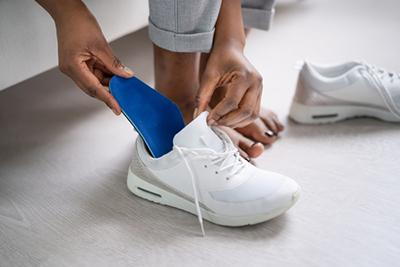
Custom orthotics are designed to support the foot, improve alignment, and reduce strain during daily movement. However, how well they perform often depends on a patient’s activity level and how the foot is used throughout the day. At Advanced Pace Foot and Ankle Center in Alexandria, VA, Dr. Angelo Pace evaluates how lifestyle and activity patterns affect orthotic function to ensure patients receive the most effective support.
Understanding this relationship helps patients get better results and avoid recurring discomfort.
Why Activity Level Matters
The amount of time spent on your feet directly affects how orthotics function. Patients who stand or walk for long hours place repeated stress on the feet, which can impact how pressure is distributed. Orthotics must be able to handle this demand while maintaining proper support.
For individuals with lower activity levels, orthotics may primarily provide stability and comfort during routine movement. For more active patients, they must also absorb impact and control motion during higher levels of stress.
Differences Between Daily Use and High-Impact Activity
Not all movement places the same demands on the feet. Walking on flat surfaces creates a different type of pressure compared to running, jumping, or quick directional changes. Orthotics designed for everyday use may not provide the same level of support needed for athletic activity.
Patients who participate in sports or physically demanding work may require orthotics that are specifically designed for those activities. This ensures that the foot remains supported under varying levels of force and movement.
How Wear and Tear Affects Performance
Over time, orthotics can begin to lose their effectiveness due to repeated use. Higher activity levels often lead to faster wear, especially in areas that absorb the most pressure. As materials break down, the orthotic may no longer provide the same level of support or alignment.
Regular evaluation helps determine when adjustments or replacements are needed to maintain proper function.
Adjusting Orthotics for Changing Needs
Activity levels are not always consistent. Changes in routine, exercise habits, or job demands can all affect how the foot responds to orthotic support. As these changes occur, orthotics may need to be modified to continue providing effective relief.
A podiatric evaluation allows for adjustments that match current activity levels, helping prevent new areas of strain or discomfort.
Maximizing the Benefits of Custom Orthotics
To get the most from custom orthotics, patients should use them consistently and follow guidance on footwear and activity. Wearing appropriate shoes that accommodate orthotics is essential for maintaining proper alignment and support.
Combining orthotics with stretching, strengthening, and activity modifications can further improve comfort and reduce stress on the foot.
Custom Orthotics in Alexandria, VA
If your orthotics are no longer providing the relief you expect, your activity level may be a contributing factor. At Advanced Pace Foot and Ankle Center in Alexandria, VA, Dr. Angelo Pace provides personalized evaluations to ensure orthotics are working effectively for your lifestyle.
Call the Sherwood Hall Lane office at (703) 360-9292 or the Walker Lane office at (703) 971-7100 to schedule an appointment and optimize your foot support.
- posted: Mar. 27, 2026
Custom orthotics are designed to support the foot, improve alignment, and reduce strain during daily movement. However, how well they perform often depends on a patient’s activity level and how the foot is used throughout the day. At Advanced Pace Foot and Ankle Center in Alexandria, VA, Dr. Angelo Pace evaluates how lifestyle and activity patterns affect orthotic function to ensure patients receive the most effective support.
Understanding this relationship helps patients get better results and avoid recurring discomfort.
Why Activity Level Matters
The amount of time spent on your feet directly affects how orthotics function. Patients who stand or walk for long hours place repeated stress on the feet, which can impact how pressure is distributed. Orthotics must be able to handle this demand while maintaining proper support.
For individuals with lower activity levels, orthotics may primarily provide stability and comfort during routine movement. For more active patients, they must also absorb impact and control motion during higher levels of stress.
Differences Between Daily Use and High-Impact Activity
Not all movement places the same demands on the feet. Walking on flat surfaces creates a different type of pressure compared to running, jumping, or quick directional changes. Orthotics designed for everyday use may not provide the same level of support needed for athletic activity.
Patients who participate in sports or physically demanding work may require orthotics that are specifically designed for those activities. This ensures that the foot remains supported under varying levels of force and movement.
How Wear and Tear Affects Performance
Over time, orthotics can begin to lose their effectiveness due to repeated use. Higher activity levels often lead to faster wear, especially in areas that absorb the most pressure. As materials break down, the orthotic may no longer provide the same level of support or alignment.
Regular evaluation helps determine when adjustments or replacements are needed to maintain proper function.
Adjusting Orthotics for Changing Needs
Activity levels are not always consistent. Changes in routine, exercise habits, or job demands can all affect how the foot responds to orthotic support. As these changes occur, orthotics may need to be modified to continue providing effective relief.
A podiatric evaluation allows for adjustments that match current activity levels, helping prevent new areas of strain or discomfort.
Maximizing the Benefits of Custom Orthotics
To get the most from custom orthotics, patients should use them consistently and follow guidance on footwear and activity. Wearing appropriate shoes that accommodate orthotics is essential for maintaining proper alignment and support.
Combining orthotics with stretching, strengthening, and activity modifications can further improve comfort and reduce stress on the foot.
Custom Orthotics in Alexandria, VA
If your orthotics are no longer providing the relief you expect, your activity level may be a contributing factor. At Advanced Pace Foot and Ankle Center in Alexandria, VA, Dr. Angelo Pace provides personalized evaluations to ensure orthotics are working effectively for your lifestyle.
Call the Sherwood Hall Lane office at (703) 360-9292 or the Walker Lane office at (703) 971-7100 to schedule an appointment and optimize your foot support.
Office Hours
(We are closed Monday - Thursday from 11:30 a.m. to 1:30 p.m.)
Walker Office
Monday
8:30 am - 11:30 am
Tuesday
1:30 pm - 4:30 pm
Wednesday
8:30 am - 11:30 am
Thursday
1:30 pm - 4:30 pm
Friday
By Appointment Only
Saturday
Closed
Sunday
Closed
Sherwood Hall Office
Monday
1:30 PM - 4:30 PM
Tuesday
8:30 AM - 11:30 AM
Wednesday
1:30 PM - 4:30 PM
Thursday
8:30 AM - 11:30 AM
Friday
Closed
Saturday
Closed
Sunday
Closed
